

Benchmarking Visit to Watoto Wenye Nguvu – Kusitawi Village
7 October 2025
A Model of Family-Based Care and Community Transformation
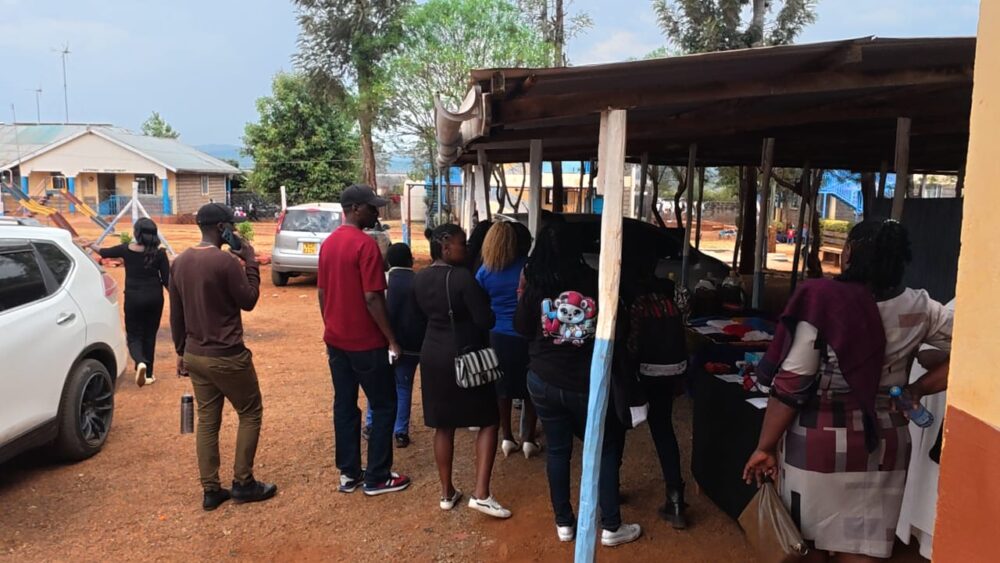
Last Friday was a remarkable day of learning, reflection, and inspiration. Over 60 representatives from children’s homes supported by Lift the Children, together with seven homes from Thika East Constituency, gathered for a benchmarking training and visit at Watoto Wenye Nguvu – Kusitawi Village, located in Maguguni, Ngoliba Ward, Thika East Sub-County.
Also present were key government officials — the Senior Area Chief, Sub-County Children’s Officer, Assistant County Commissioners — alongside representatives from the Catholic Diocese of Murang’a, and the host, Madam Elizabeth Muthoni Gitau, founder and director of Watoto Wenye Nguvu, together with her dedicated team.
The purpose of the visit was to learn from Watoto Wenye Nguvu’s successful transition from institutional residential care to family-based and community-centered care, and to understand how their programs promote healing, empowerment, and long-term sustainability.
The Beginning of a Transition Journey
Watoto Wenye Nguvu began its transition journey in 2021 in collaboration with the Government of Kenya and other key child protection stakeholders. This was part of Kenya’s care reform agenda, which seeks to move away from institutionalization toward family and community-based care.
Through this initiative, the organization shifted its focus from long-term residential care to rescue, rehabilitation, and reintegration — empowering families and communities to take the lead in protecting and nurturing their children.
Rescue and Rehabilitation: Restoring Dignity and Hope
One of the most impactful programs under Watoto Wenye Nguvu is its street family rehabilitation initiative. The organization rescues street mothers and their children, offering them a safe and nurturing space at Kusitawi Village.
The mothers willingly enroll in a six-month rehabilitation program that focuses on holistic transformation. During this period, they receive:
-
Positive parenting skills to help them care for and bond with their children;
-
Social life skills to aid community reintegration;
-
Economic empowerment training through vocational courses such as tailoring, beauty therapy, and farming;
-
Formal certification through NITA (National Industrial Training Authority) exams, enabling them to start small businesses or secure formal employment.
Each participant also undergoes counseling and trauma healing, guided by professional counselors who support them through a process of self-discovery, emotional recovery, and acceptance.
When the mothers and children graduate from the program, they are fully transformed, confident, and ready to reintegrate into the community as self-reliant families.
Extending a Hand to Teen Mothers and Mothers in Conflict with the Law
Watoto Wenye Nguvu has expanded its rehabilitation program to reach even more vulnerable groups. In collaboration with the Government of Kenya, the organization also supports mothers in conflict with the law, offering them an opportunity for rehabilitation, skills training, and reintegration into society once they complete their legal processes.
In addition, the home rescues and rehabilitates teen mothers, providing them with counseling, education, and vocational skills to rebuild their lives and care for their babies in a safe and supportive environment. These efforts not only restore hope but also break cycles of poverty, stigma, and neglect.
A Home That Transforms Lives
Kusitawi Village, which has a capacity of 108, provides both short-term and transitional care for mothers and children in crisis. It is a vibrant and safe community where healing, empowerment, and growth happen simultaneously.
Beyond residential care, the home also runs outreach programs that extend support to the wider community. These include:
-
Education support for vulnerable children;
-
Health and nutrition assistance, especially for families living with or affected by HIV/AIDS and other chronic illnesses;
-
Community empowerment and mental health awareness, addressing root causes that lead to child neglect and institutionalization.
Building Strong Communities through Gatekeeping
One of the most inspiring outcomes of this initiative is the impact it has had at the community level. In Ngoliba Ward, where Watoto Wenye Nguvu operates, there are no longer children being referred to children’s homes unnecessarily.
This success is attributed to effective gatekeeping — community-based prevention measures that ensure children remain within safe family environments. Through continuous training and sensitization, community members have learned how to identify, manage, and report child protection concerns before they escalate.
Watoto Wenye Nguvu has thus become a model of how community-driven child protection can reduce dependence on institutional care and ensure children grow up where they belong — in families.
Partnership with the Street Families Rehabilitation Trust
The home is also part of the Street Families Rehabilitation Trust Fund (SFRTF) — a government program that focuses on the rehabilitation and reintegration of street families across Kenya. This partnership enhances coordination, accountability, and the sharing of best practices across child welfare stakeholders.
Empowering Staff for Lasting Impact
Watoto Wenye Nguvu recognizes that the heart of every successful organization is its people. The management places great emphasis on staff empowerment and motivation, which has resulted in remarkably low turnover — with many staff members having served for over 15 years.
This long-term commitment has contributed immensely to the growth, consistency, and stability of the organization. Moreover, accountability, transparency, and sound financial management remain core principles, ensuring that every resource is used effectively to transform lives.
Key Lessons from the Benchmarking Visit
-
Transitioning to Family-Based Care requires collaboration between institutions, government, and community actors.
-
Holistic rehabilitation — addressing parenting, skills training, mental health, and livelihood — is crucial for sustainable reintegration.
-
Community gatekeeping can drastically reduce child institutionalization when people are informed and empowered.
-
Staff investment enhances program quality and organizational growth.
-
Transparency and accountability strengthen partnerships and build donor confidence.
Conclusion
The benchmarking visit to Watoto Wenye Nguvu – Kusitawi Village in Maguguni, Ngoliba Ward, Thika East was more than a learning experience — it was a vivid demonstration of what care reform looks like in action.
The home’s model shows that with the right partnerships, compassion, and structure, vulnerable families can be restored, and children can truly thrive in loving, safe environments.
As Kenya continues to implement care reform, Kusitawi Village stands as a shining example of transformation, empowerment, and hope for children and families across the nation.